
Dec 5, 2025
Learn the key aspects of electrical home inspections, from safety checks to common issues. Ensure your home is safe—read the essential guide now!
Key Takeaways
Electrical home inspections typically cost $300-500 and take 1-2 hours to complete, checking wiring, outlets, panels, and safety systems
Home inspections are recommended every 3-5 years, with annual checks for homes over 40 years old due to increased fire risk
Inspectors examine electrical panels, GFCI outlets, circuit breakers, wiring condition, and smoke detector functionality for safety compliance
Electrical distribution equipment causes 57% of home structure fires according to NFPA data from 2010-2014
Professional electrical inspections identify hidden hazards like overloaded circuits, faulty wiring, and code violations before they become dangerous
Every year, faulty wiring and electrical issues spark thousands of house fires across the United States, causing billions in property damage and tragically claiming lives. Yet most of these disasters could be prevented with regular electrical safety inspections. Your home’s electrical system works tirelessly behind the walls, powering everything from your morning coffee maker to your family’s evening entertainment. But when electrical components age, degrade, or fail, they transform from helpful servants into silent threats.
Whether you’re buying a new home, maintaining your current property, or simply want peace of mind about your family’s safety, understanding electrical home inspections is crucial. This comprehensive guide will walk you through everything you need to know about the inspection process, from what inspectors examine to how much you can expect to pay.
What is an Electrical Home Inspection?
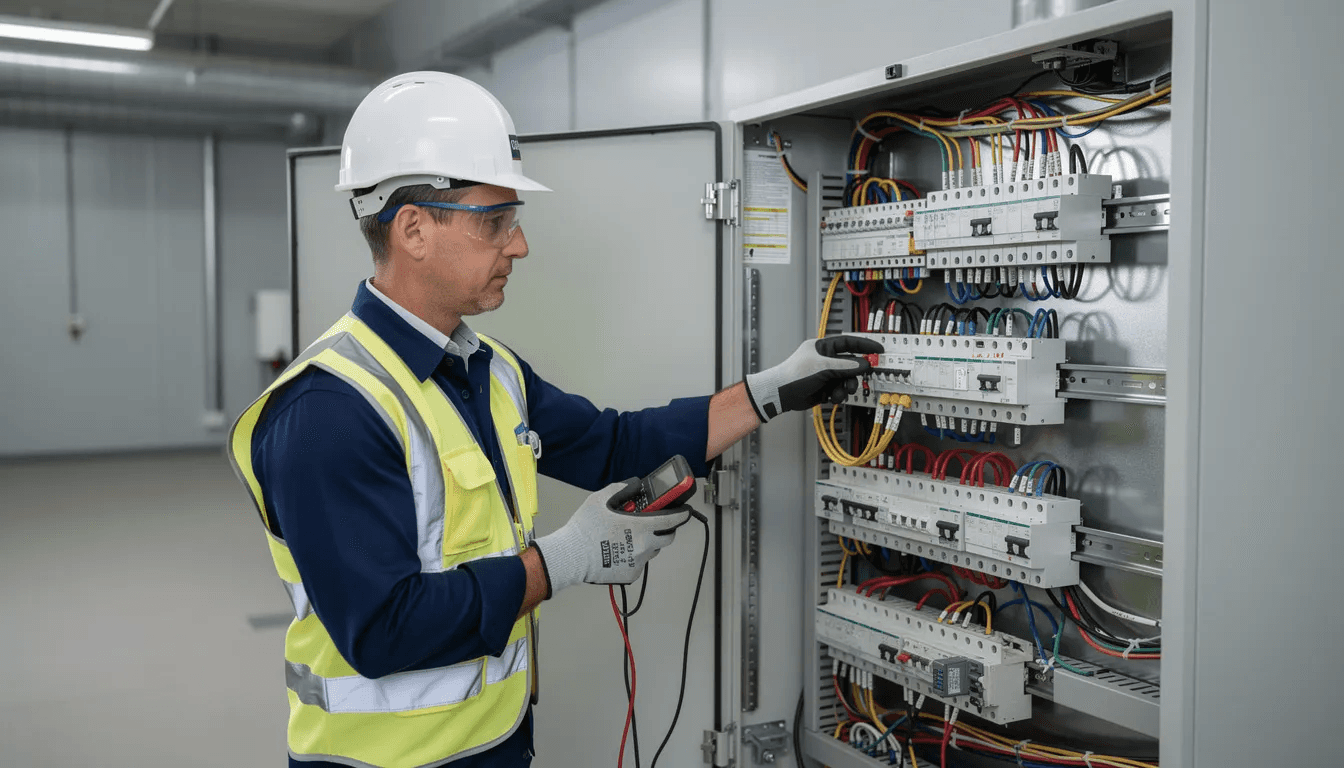
An electrical home inspection is a comprehensive safety evaluation of your residential electrical systems conducted by a qualified professional. Unlike a basic visual check, this thorough inspection involves detailed testing and assessment of your entire electrical system to identify potential hazards, code violations, and safety concerns that could lead to electrical fires, electric shock, or costly repairs.
The inspection differs significantly from the electrical portion of a standard home inspection. While a certified home inspector includes basic electrical checks as part of their general property assessment, a dedicated electrical inspection performed by a licensed electrician or electrical inspector provides much deeper analysis. This specialized evaluation examines your home’s electrical system with the expertise and equipment necessary to detect problems that general home inspectors might miss.
The primary purpose of an electrical inspection is ensuring your electrical systems meet National Electric Code (NEC) standards and local building codes. These codes exist to protect you and your family from electrical hazards while ensuring your electrical infrastructure can safely handle your home’s electrical demand. The inspection verifies that all electrical components are properly installed, functioning correctly, and pose no immediate safety risks.
Professional electrical inspections serve homeowners in multiple ways. For prospective buyers, they provide crucial information about a property’s electrical condition before making one of life’s largest investments. Current homeowners benefit from identifying aging electrical components before they fail catastrophically. The inspection process helps ensure your family’s safety while protecting your property investment from electrical damage.
Why Electrical Home Inspections Are Essential
The statistics surrounding electrical fires paint a sobering picture of why electrical safety inspections matter. According to the National Fire Protection Association (NFPA), electrical distribution equipment causes 57% of home structure fires, with these incidents resulting in hundreds of deaths, thousands of injuries, and billions in property damage annually. Most of these tragedies stem from preventable electrical issues that proper inspections would have identified.
Electrical shock hazards represent another serious concern that inspections help prevent. Faulty wiring, improper grounding, and defective electrical components can create conditions where family members face electrocution risks during routine activities. Professional inspections identify these hazards before they harm anyone, testing critical safety devices like ground fault circuit interrupters that protect against electrical shock in wet areas.
Early detection of electrical problems through regular inspections prevents costly emergency repairs and system failures. Minor electrical issues that cost hundreds to fix when caught early can escalate into major renovations costing thousands of dollars. Overloaded circuits, loose connections, and aging electrical components deteriorate over time, but inspections catch these problems while they’re still manageable and affordable to address.
Insurance companies and mortgage lenders increasingly require electrical inspections for older homes and property transfers. Many insurance policies stipulate that homes with certain electrical systems or ages must undergo professional electrical safety inspections to maintain coverage. This requirement reflects the industry’s recognition that electrical inspections significantly reduce claim risks and protect both insurers and homeowners from electrical disasters.
Perhaps most importantly, electrical inspections provide peace of mind for families. Knowing that a qualified professional has thoroughly examined your electrical systems and confirmed their safety allows you to use your home’s electrical features confidently. This assurance becomes especially valuable for parents concerned about their children’s safety and homeowners who’ve experienced electrical issues in the past.
Types of Electrical Inspections
Understanding the different types of electrical inspections helps you choose the right evaluation for your specific needs. Each inspection type serves different purposes and provides varying levels of detail and authority.
Electrical Home Inspection
An electrical home inspection is typically performed by a certified home inspector as part of a comprehensive property assessment during real estate transactions. This inspection focuses on basic safety checks of your home’s electrical components and systems, examining visible electrical elements and common safety concerns that affect residential properties.
The home electrical inspection covers essential safety features like GFCI outlets, smoke detectors, and carbon monoxide detectors, ensuring these protective devices function properly. Inspectors check your main electrical panel for proper labeling, examine visible wiring for damage, and test outlets throughout your home for correct operation and grounding.
This type of inspection is included in standard home inspection packages for real estate transactions, making it convenient and cost-effective for buyers and sellers. The certified home inspector provides a written report documenting their findings and recommendations, though they cannot approve electrical work or issue permits.
Building Electrical Inspection
A building electrical inspection represents a more comprehensive evaluation conducted by licensed electricians or building code enforcement officials. This detailed examination focuses specifically on electrical systems and their compliance with current electrical codes and safety standards.
Building inspectors have the authority to approve or deny electrical permits and can require corrections before approving electrical work. They examine electrical installations with greater technical depth than general home inspectors, using specialized testing equipment to verify proper installation and function of electrical components.
This type of inspection is required for permits, new construction, and major electrical work like panel upgrades or extensive rewiring projects. The building inspector ensures that all electrical work meets professional standards and poses no safety risks to occupants.
What Does an Electrical Home Inspector Check?
Professional electrical inspectors conduct systematic examinations of your home’s electrical infrastructure, focusing on components that affect safety and functionality. Understanding what inspectors check helps you prepare for the inspection and interpret the resulting report.
The main electrical panel receives intensive scrutiny during every electrical inspection. Inspectors examine the panel’s condition, checking for proper labeling of circuit breakers, signs of overheating or electrical arcing, and adequate space for electrical service connections. They verify that circuit breakers function correctly and are appropriately sized for their circuits, looking for any evidence of amateur electrical work or dangerous modifications.
GFCI outlets throughout your home undergo functional testing to ensure they provide proper protection against electrical shock. Inspectors test GFCI protection in kitchens, bathrooms, garages, and outdoor areas where moisture increases electrocution risks. They use specialized testing equipment to verify that these safety devices trip correctly when electrical faults occur and reset properly afterward.
Outlet testing extends beyond simple functionality checks. Inspectors verify proper wiring connections, check for correct electrical polarity, and ensure adequate grounding throughout your electrical system. They look for signs of loose connections, overheating, or electrical damage around outlets and switches, paying special attention to any discoloration or burning smells that indicate electrical problems.
Visible wiring receives careful examination for signs of damage, improper installation, or safety hazards. Inspectors pay particular attention to older wiring types like aluminum wiring and knob and tube wiring systems, which present higher fire risks than modern copper wiring. They check wire insulation for cracking or deterioration and verify that electrical connections are secure and properly protected.
Smoke detectors and carbon monoxide detectors undergo testing to ensure proper installation and functionality. Inspectors verify that these life-saving devices are correctly wired to your electrical system, positioned appropriately throughout your home, and functioning correctly to protect your family from fires and carbon monoxide poisoning.
The electrical meter box and service entrance connections receive inspection for proper installation and adequate capacity for your home’s electrical needs. Inspectors examine these components for signs of damage, corrosion, or amateur modifications that could compromise electrical safety or system reliability.
Light fixtures, switches, and ceiling fan installations are checked for secure mounting and proper electrical connections. Inspectors look for fixtures that show signs of overheating, improper installation, or electrical problems that could lead to fires or electric shock hazards.
Throughout the inspection process, professionals watch for signs of electrical overload, burning, or heat damage that indicate serious safety concerns. They document any evidence of electrical fires, overheated components, or modifications that violate electrical codes and pose risks to your family’s safety.
The Electrical Home Inspection Process
The electrical home inspection follows a systematic approach that ensures comprehensive evaluation of your home’s electrical systems. Understanding this process helps you know what to expect and how to prepare for maximum efficiency.
The inspection begins with a visual examination of all accessible electrical components. The electrical inspector starts by carefully examining your main breaker panel, checking for proper installation, adequate labeling, and signs of damage or amateur electrical work. They look for burn marks, rust, water damage, or other indicators of electrical problems that could compromise safety.
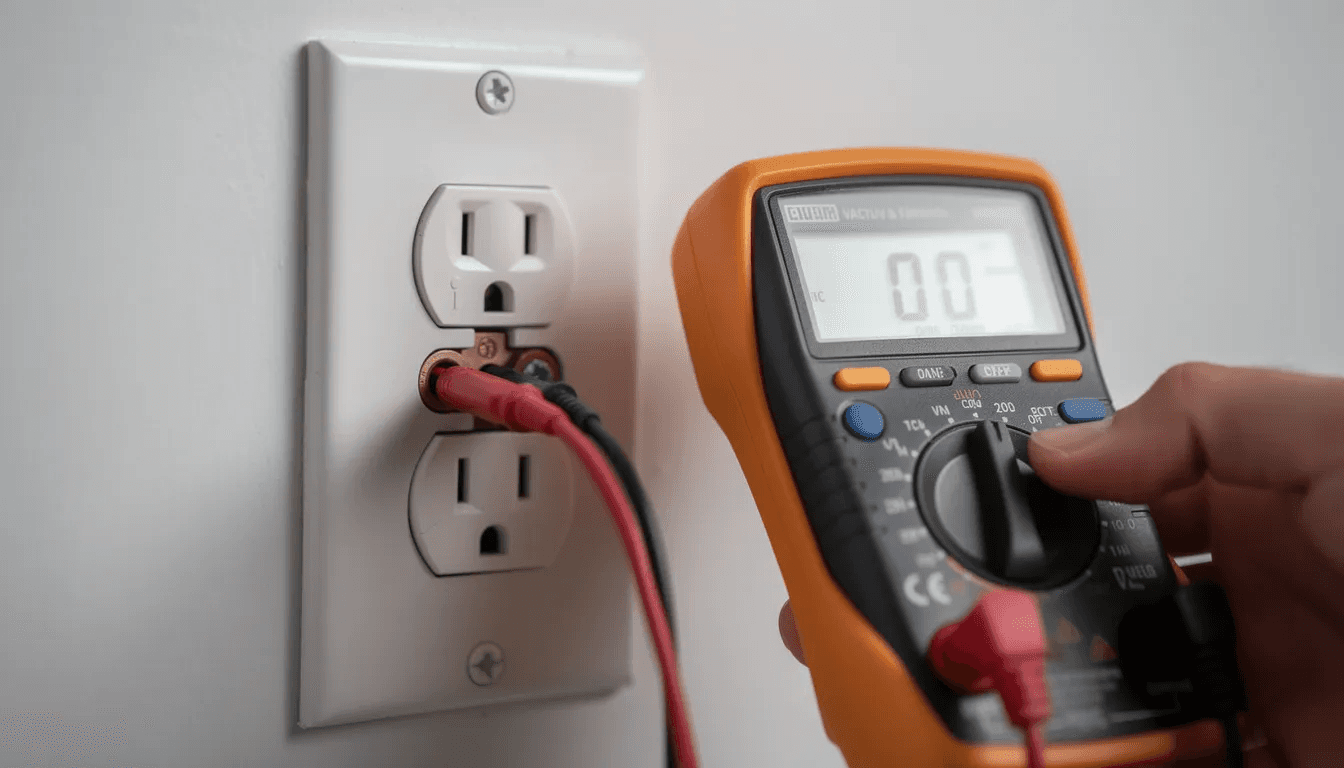
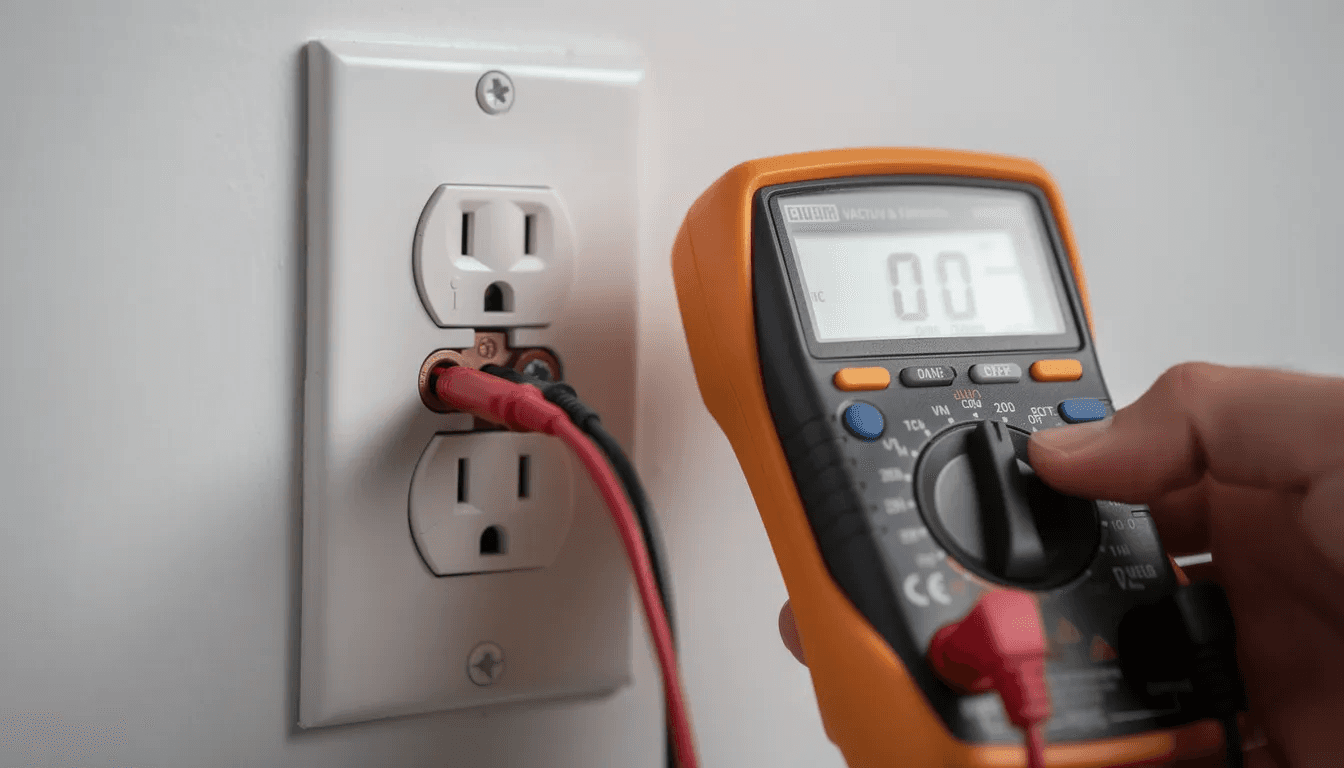
Testing follows the visual inspection, using specialized equipment to verify proper electrical function throughout your home. Inspectors use voltage testers to check outlets and light switches, ensuring they receive appropriate electrical current and are wired correctly. They test ground fault circuit interrupter devices by pressing test and reset buttons, verifying these critical safety devices function properly.
The professional electrician measures voltage and amperage at various points throughout your electrical system, checking for voltage drops that indicate electrical problems or inadequate electrical supply. They verify proper grounding and bonding of metal components, ensuring your electrical system can safely conduct electrical faults away from your family.
During testing, inspectors evaluate circuit breaker performance, checking that breakers trip appropriately when overloaded and reset correctly afterward. They examine electrical boxes for proper installation and adequate space for electrical connections, looking for overcrowded conditions that violate electrical codes.
Documentation occurs throughout the inspection process, with the inspector taking detailed notes and digital photographs of their findings. They record the condition of electrical components, note any code violations or safety concerns, and document the location of problems for easy reference during repairs.
The written report compilation represents the final step of the inspection process. The electrical inspector prepares a comprehensive document detailing their findings, complete with photographs and specific recommendations for addressing any identified issues. This detailed report prioritizes safety concerns and provides guidance for hiring qualified electricians to complete necessary electrical repairs.
The entire inspection process typically requires 1-2 hours depending on your home’s size and electrical system complexity. Larger properties or homes with complex electrical systems may require additional time for thorough evaluation, while smaller homes with newer electrical systems can often be inspected more quickly.
Cost of Electrical Home Inspections
Understanding electrical inspection costs helps you budget appropriately for this important safety service. Several factors influence the final price, but most homeowners can expect reasonable costs that represent excellent value compared to potential electrical fire damage or emergency repair expenses.
Standard electrical inspection costs typically range from $300-500 for most residential properties. This pricing reflects the specialized expertise required for proper electrical evaluation and the liability that electrical inspectors assume when certifying your electrical system’s safety. The investment provides comprehensive assessment of your entire electrical system with written documentation of findings and recommendations.
Several factors affect the final electrical inspection cost. Home size plays a significant role, with larger properties requiring more time for comprehensive evaluation of additional electrical components and circuits. Homes with complex electrical systems, multiple panels, or extensive electrical modifications may incur higher costs due to the additional time required for thorough inspection.
The age and condition of your electrical system also influence pricing. Older homes often require more detailed evaluation due to outdated electrical components and potential safety concerns. Properties with known electrical issues or previous amateur electrical work may need extra attention to identify all safety hazards, affecting the total cost.
Add-on services like infrared electrical inspections cost an additional $150-350 for thermal imaging that detects overheating electrical components invisible to standard inspection methods. This advanced technology identifies potential fire hazards by revealing hot spots in electrical panels, connections, and wiring that indicate electrical problems before they cause fires.
Specialized building inspections for permit-related electrical work typically cost around $200, focusing specifically on new electrical installations or major electrical modifications. These inspections ensure compliance with electrical codes and safety standards for specific electrical projects rather than evaluating your entire electrical system.
The cost-effectiveness of electrical inspections becomes clear when compared to potential alternatives. Emergency electrical repairs after system failures often cost thousands of dollars, while electrical fires can cause tens of thousands in damage and potentially claim lives. Regular electrical safety inspections represent a small investment that prevents much larger costs and provides invaluable peace of mind.
When to Schedule an Electrical Home Inspection
Timing your electrical inspection appropriately maximizes safety benefits while ensuring you address electrical issues before they become dangerous or expensive. Several key situations warrant scheduling professional electrical evaluation.
Before purchasing any previously owned home, especially properties over 40 years old, schedule a comprehensive electrical inspection. Older electrical systems may contain outdated wiring like aluminum or knob and tube systems that present fire hazards. Many electrical problems remain hidden behind walls and in electrical panels, making professional inspection essential for informed purchasing decisions.
Routine maintenance scheduling calls for electrical inspections every 3-5 years for most homes, providing regular safety verification and early detection of developing electrical problems. This schedule allows you to identify aging electrical components before they fail and address minor issues before they become major safety hazards or expensive repairs.
Homes built before 1985 benefit from annual electrical inspections due to the higher likelihood of outdated electrical systems and aging components. These properties often contain electrical installations that predate modern safety standards and may require more frequent monitoring to ensure continued safe operation.
Major renovation planning should include electrical inspection before beginning work that affects your electrical systems. Adding new circuits, upgrading electrical panels, or modifying existing electrical installations requires professional evaluation to ensure your electrical system can handle increased electrical demand and meet current electrical codes.
When experiencing frequent circuit breaker trips or other electrical issues, schedule immediate professional inspection rather than attempting DIY troubleshooting. These symptoms often indicate underlying electrical problems that require professional diagnosis and repair by qualified electricians.
Insurance requirements or mortgage refinancing may mandate electrical inspections for documentation purposes. Many insurance companies require electrical safety inspections for older homes or properties with known electrical issues before providing coverage. Similarly, mortgage lenders may require electrical evaluation as part of their property assessment process.
How to Prepare for Your Electrical Home Inspection
Proper preparation ensures your electrical inspection proceeds efficiently and thoroughly, maximizing the value of your investment in electrical safety evaluation. Taking these steps before the electrical inspector arrives saves time and ensures comprehensive assessment of your electrical systems.
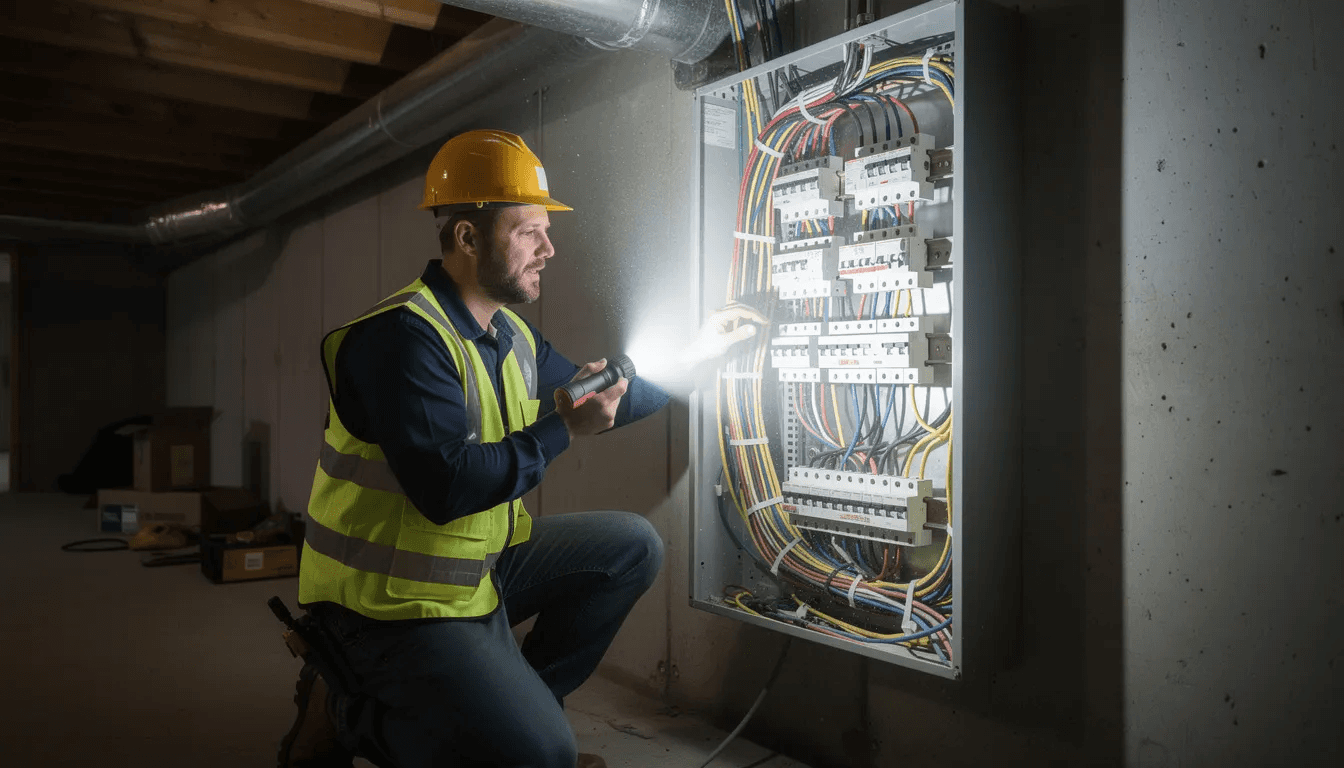
Clear access to your electrical panel, meter box, and all electrical components throughout your home represents the most important preparation step. Move furniture, storage boxes, and other items away from electrical panels and outlets to give the electrical inspector unobstructed access. Ensure basement, attic, and crawl space entrances are accessible for examination of electrical wiring and components in these areas.
Replace any burnt-out light bulbs throughout your home before the inspector’s arrival. Functioning bulbs allow the inspector to test light switches and fixtures properly, ensuring comprehensive evaluation of your lighting systems. This simple step prevents delays and ensures thorough testing of all electrical components.
Label your circuit breakers clearly in the main electrical panel if they aren’t already properly identified. Accurate labeling helps the electrical inspector understand your electrical system layout and verify that circuits are appropriately sized for their intended loads. Clear labeling also provides long-term benefits for future electrical work and troubleshooting.
Gather documentation of recent electrical work, permits, and any known electrical issues to share with the inspector. This information helps the electrical inspector focus their attention on areas of concern and understand modifications made to your original electrical system. Previous inspection reports also provide valuable context for current evaluation.
Schedule your electrical inspection during daylight hours when possible to ensure optimal visibility throughout your home. Natural light helps the electrical inspector identify visual indicators of electrical problems and photograph their findings clearly. Good lighting conditions contribute to more thorough and accurate electrical evaluation.
Unlock electrical panel covers and utility access points to eliminate delays during the inspection process. Electrical inspectors need access to these areas for proper evaluation, and having them readily accessible prevents interruptions and ensures efficient use of inspection time.
What Happens After the Inspection
Understanding the post-inspection process helps you act effectively on inspection findings and maintain your electrical system’s safety. The steps following your electrical inspection are crucial for addressing identified issues and ensuring long-term electrical safety.
The detailed written report represents the primary deliverable from your electrical inspection. This comprehensive document outlines all findings with specific descriptions of electrical issues, safety concerns, and code violations discovered during the evaluation. The inspection report includes digital photographs documenting problems and recommendations for addressing each identified issue.
Priority ranking of electrical repairs helps you understand which issues require immediate attention versus future planning. Safety-critical problems like exposed wires, overloaded circuits, or faulty wiring receive high priority designation, requiring prompt resolution to prevent electrical fires or electric shock hazards. Less urgent issues like missing GFCI outlets or outdated electrical components may be addressed over time.
Cost estimates for common electrical repairs and improvements provide budgeting guidance for addressing inspection findings. The electrical inspector may include approximate costs for typical electrical work, helping you plan financial resources for necessary electrical upgrades and safety improvements.
Guidance for hiring qualified electricians ensures you work with properly licensed professionals for electrical repairs. The inspection report typically recommends using licensed electricians for all electrical work, emphasizing the importance of professional installation that meets electrical codes and safety standards.
Follow-up inspection requirements may apply after completing major electrical repairs or installations. Some electrical work requires reinspection to verify proper installation and code compliance, especially when addressing serious safety violations or making significant electrical system modifications.
Documentation for insurance claims or warranty purposes provides important records for future reference. Your electrical inspection report serves as official documentation of your electrical system’s condition, potentially supporting insurance claims or warranty issues related to electrical components.
Frequently Asked Questions
Can I perform my own electrical home inspection?
Only certified professionals should perform electrical inspections due to significant safety risks and the specialized expertise required. Untrained individuals attempting electrical inspection face serious risks of electrical shock or electrocution when examining electrical panels and testing electrical components. Professional electrical inspectors possess the specialized equipment necessary to safely test voltage, grounding, and circuit functionality without endangering themselves or damaging electrical systems.
Licensed inspectors provide legally recognized reports required for insurance documentation and real estate transactions. Their professional credentials and liability insurance protect homeowners from potential issues arising from inspection errors or oversights. Additionally, professionals can identify subtle signs of electrical problems that untrained individuals typically miss, ensuring comprehensive evaluation of electrical safety hazards.
How often do electrical inspections reveal serious problems?
Electrical inspections commonly identify issues in homes over 25 years old due to aging electrical components and evolving electrical safety standards. Properties with aluminum wiring, knob and tube systems, or amateur electrical work frequently exhibit safety concerns that require professional correction. These older electrical systems often lack modern safety features like GFCI protection or adequate grounding that current electrical codes require.
Most electrical inspections reveal minor issues like missing GFCI outlets, improper circuit labeling, or outdated electrical components that don’t pose immediate dangers but should be addressed for optimal safety. Serious problems requiring immediate attention, such as dangerous wiring conditions or significant code violations, occur in approximately 15-20% of inspections on older homes.
What’s the difference between electrical inspection costs and repair costs?
Electrical inspection costs of $300-500 provide comprehensive safety evaluation and written documentation of your electrical system’s condition. This investment delivers professional assessment of your entire electrical system with prioritized recommendations for maintaining electrical safety. The inspection cost represents preventive investment that identifies problems before they become dangerous or expensive emergency situations.
Electrical repair costs vary significantly depending on the scope of work required. Minor electrical repairs like outlet replacements typically cost $40-60 per outlet after inspection identifies the need. Major electrical work such as electrical panel upgrades can range from $1,500-8,000 depending on system complexity and local electrical codes. Early detection through regular inspections prevents emergency repair costs and potential fire damage that could cost tens of thousands of dollars.
Do electrical inspections guarantee my home’s electrical system safety?
Electrical inspections identify visible electrical hazards and code violations present at the time of evaluation, providing a comprehensive snapshot of your electrical system’s safety condition. However, hidden electrical problems behind walls or inside electrical components may not be detectable without invasive investigation that goes beyond standard inspection scope.
Regular electrical inspections every 3-5 years help maintain ongoing electrical system safety by catching developing problems before they become dangerous. Following inspection recommendations and hiring qualified electricians for identified electrical work ensures optimal electrical safety. The inspection provides professional assessment and recommendations, but ongoing electrical safety depends on proper maintenance and prompt attention to identified issues.
What happens if my electrical inspection reveals code violations?
Code violations discovered during electrical inspection must be corrected by licensed electricians to ensure safety and legal compliance with local building codes. Minor violations like missing GFCI outlets are typically inexpensive and quick to address, often completed during a single service call. These corrections ensure your electrical system meets current safety standards and provides proper protection for your family.
Major violations involving electrical panel upgrades, extensive rewiring, or significant electrical modifications require permits and professional installation by licensed electricians. While these corrections may require substantial investment, addressing code violations protects your property value and ensures your insurance coverage remains valid. Many insurance companies will not cover electrical damage resulting from known code violations, making prompt correction essential for financial protection.
From Irvine to Anaheim to Costa Mesa—panel upgrades, EV chargers, lighting, and more. Skip the back-and-forth. Dial (949) 997-3555 and get scheduled in minutes.
Contact
Get in Touch
Schedule your transformer installation today!
Reach out for inquiries or quotes anytime.
info@ocelectricians.com
Live chat
We're here to assist you instantly.
Start chat now
Phone
Call us for immediate assistance.
+1 (949) 997-3555
Office
Visit us for consultations and services.
18650 MacArthur Blvd., Irvine, CA 92612